what makes things Spatial
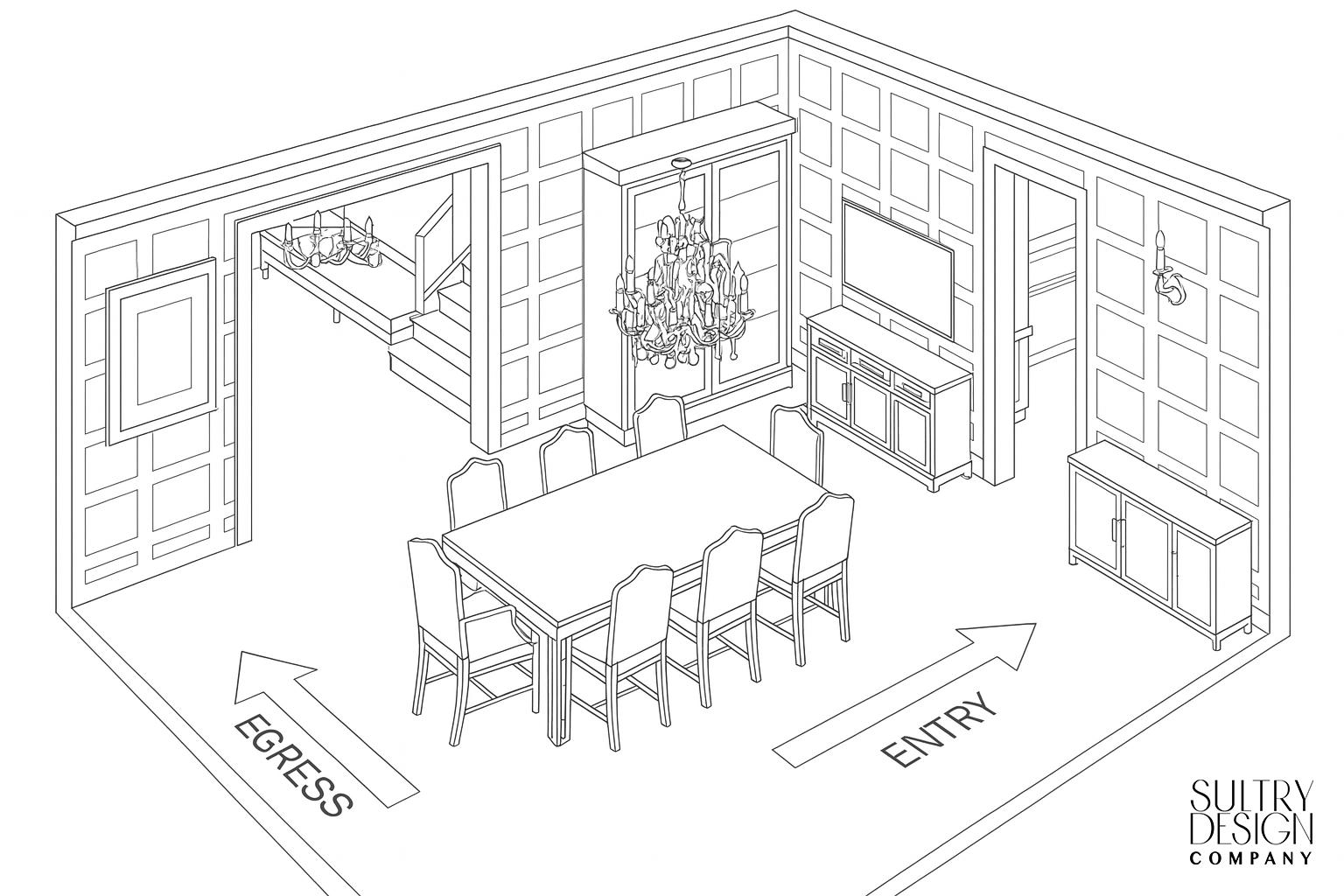
Spatial planning is the foundation of every successful interior design project, dictating not only how a room looks but how it feels and functions in everyday life. It begins with understanding circulation—the natural pathways people take through a space—and shaping those flow lines to feel intuitive, comfortable, and unobstructed. A designer studies proportions, sightlines, and balance, ensuring that each zone within a room has purpose and clarity. This intentional arrangement prevents overcrowding and avoids the visual “heaviness” that can occur when furniture is placed without strategy. Good spatial planning allows a room to breathe while still feeling complete. It is the silent framework that makes a home feel effortlessly cohesive.
A key aspect of spatial planning is defining functional zones, especially in open-concept layouts where walls do not naturally separate activities. Designers use furniture placement, lighting, color shifts, and even subtle changes in materials to signal transitions between areas—such as dining, lounging, working, or socializing. These invisible boundaries allow spaces to multitask without feeling chaotic or muddled. The goal is to support a client’s lifestyle: where they relax, how they entertain, and the rhythms that shape their day. When zones are articulated effectively, a home becomes easier to live in and more pleasurable to experience. The space begins to “speak” through intelligent organization.
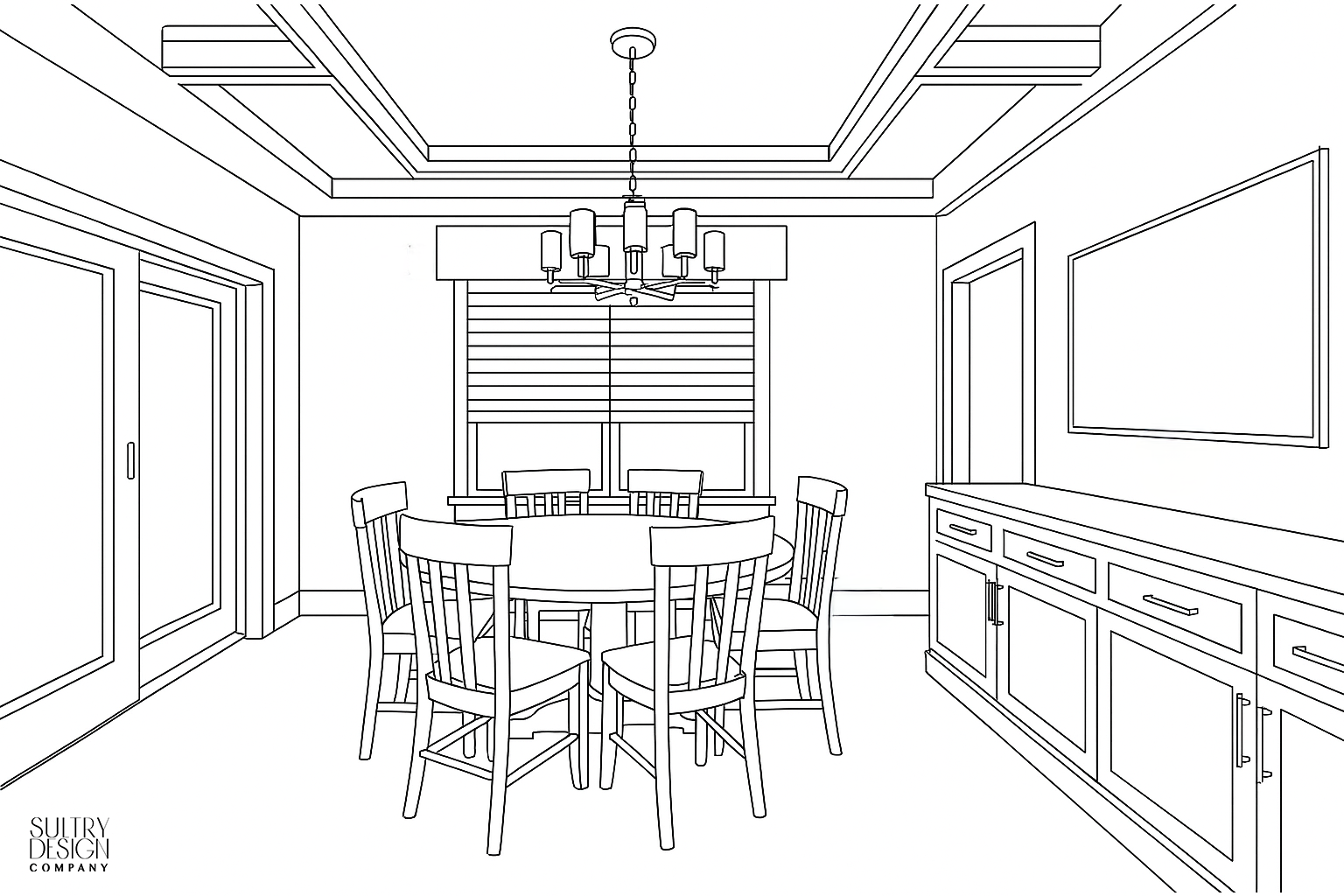
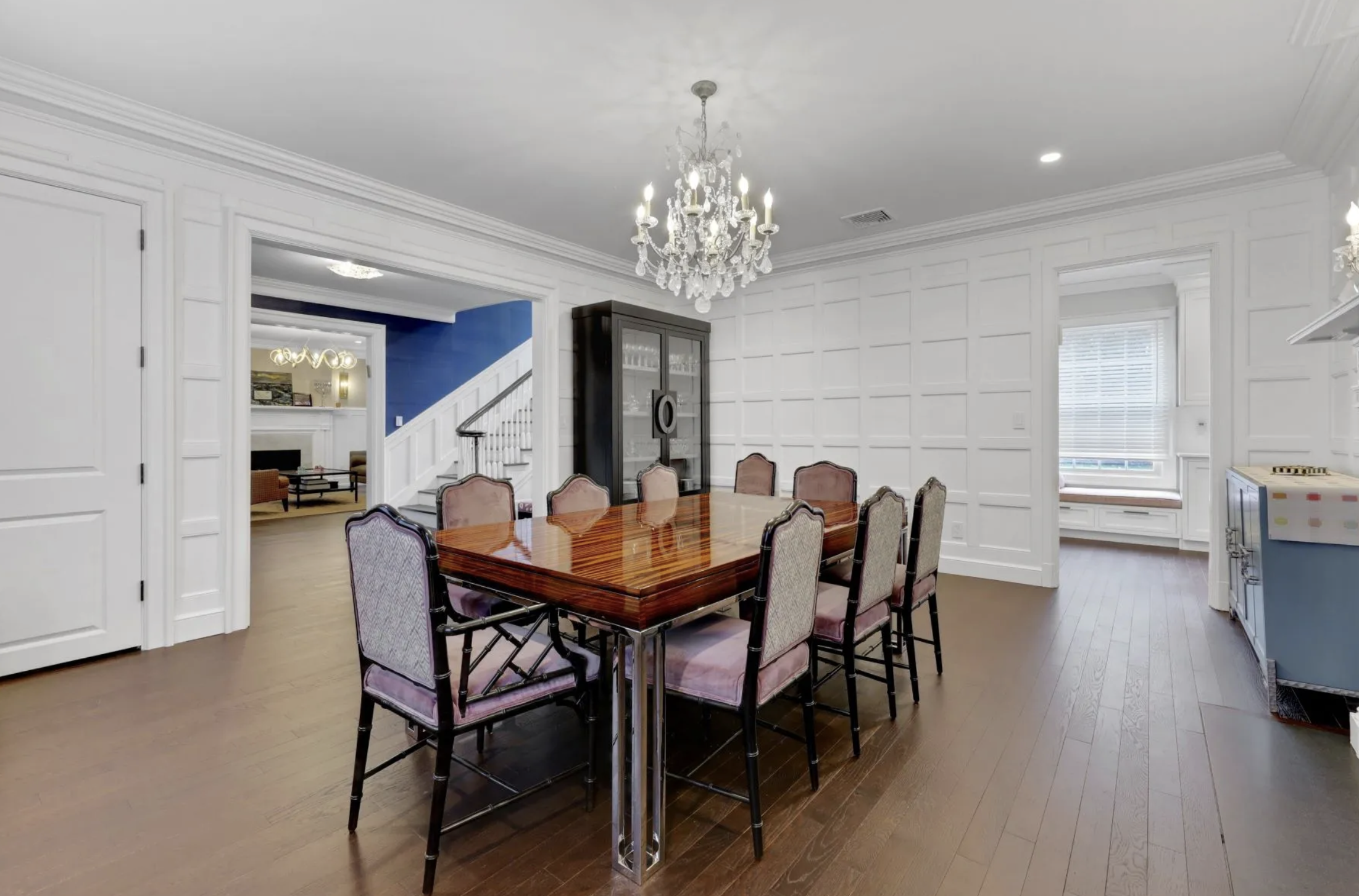
Proportion and scale are equally essential, ensuring that each piece within a room relates harmoniously to the architecture and to the other elements present. Oversized furniture in a small room can feel imposing, while pieces that are too delicate in a large space become visually lost. Designers analyze ceiling heights, window placements, and architectural anchoring points to determine ideal dimensions for furnishings and décor. The interplay of negative space—what you choose not to fill—is just as important as the objects you select. Strategic spacing creates rhythm, balance, and visual calm. When scale is thoughtfully managed, even the most eclectic interiors feel intentional and curated.
Finally, spatial planning integrates emotional experience with practicality. Designers consider how a client wants to feel when they enter a room—energized, soothed, grounded, or inspired—and use layout to support that emotional response. Cozy seating arrangements foster conversation, while wide-open pathways evoke a sense of freedom and clarity. Storage, traffic flow, lighting access, and ergonomic considerations are layered into the design so that beauty never compromises ease of living. The result is an environment that reflects the client’s identity while enhancing their daily life. In this way, spatial planning becomes both an art and a science—an essential tool in shaping meaningful, livable interiors.